New Collectible research from a photo

Antique Identifier by Photo

Upload a clear photo to explore what your antique may be, when it was made, who made it, and what to check next.

  • One clear photo to start
  • Maker marks and signatures
  • Research estimate, not appraisal

Antique Identifier Online

Antique Identifier by Photo

Use this antique identifier by photo with one well-lit item photo. Add a close-up of the maker mark, signature, label or damage area when you have one.

Ready to research

Drag & drop your item photo here

or click this area to choose an image

A clear photo gives the antique identifier more visible detail to compare.

Add the full item first. You can include a mark, signature, label or damage close-up later.

Supports JPG, PNG, and WEBP · Max 10MB

Sample Collectibles

See how Mark & Era explains visual clues

These sample images demonstrate the result structure. Each case combines a likely match with category, era, value factors, possible lookalikes, risks and a useful next photo.

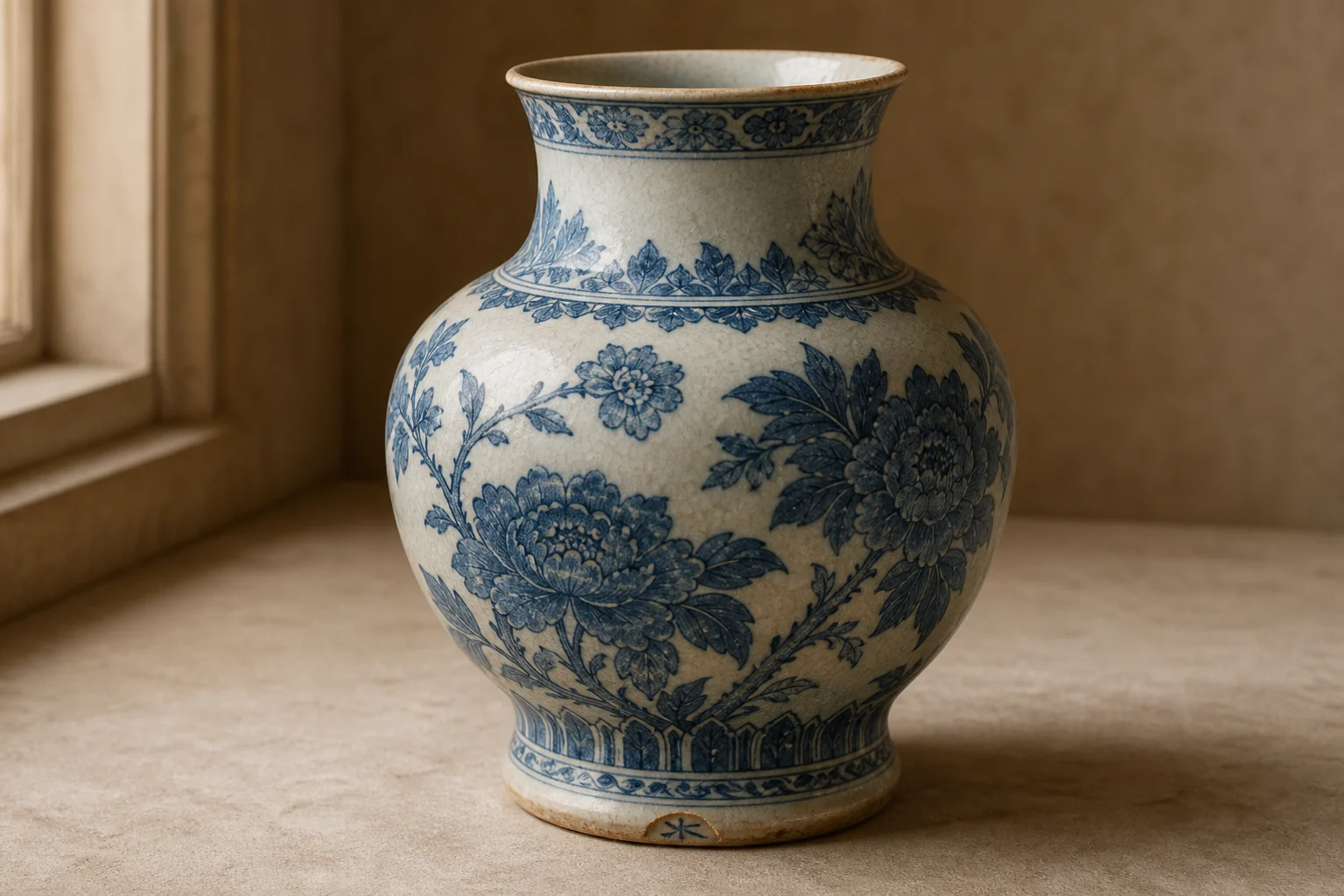
Sample blue-and-white porcelain vase for antique identification Sample Scan

Likely Match

Blue-and-White Porcelain Vase

Category
Pottery & Porcelain
Estimated Range
$180–$320

Evidence Clues

  • Blue floral transfer pattern
  • Aged crazing across the glaze
  • Decorative vase form and foot ring
Possible LookalikesTransferware vase · Decorative earthenware
Risk FlagBackstamp not visible

Next Photo: Show the underside mark in even light.

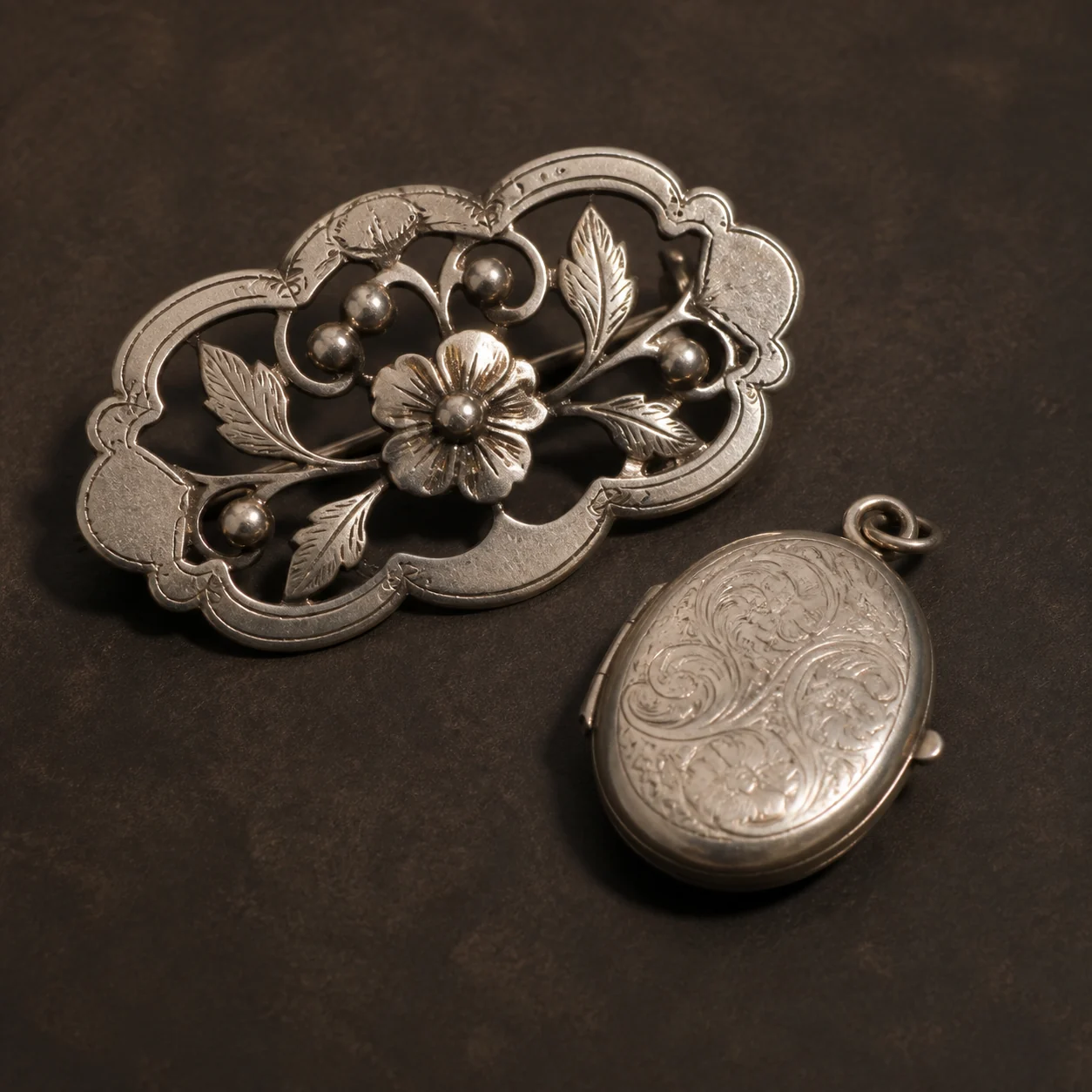
Sample antique silver brooch and locket for hallmark identification Sample Scan

Likely Match

Sterling Silver Floral Brooch

Category
Jewelry & Silver
Estimated Range
$95–$240

Evidence Clues

  • Hand-engraved floral details
  • Raised construction and aged silver patina
  • Decorative form consistent with early 20th-century jewelry
Possible LookalikesSilver-plated brooch · Costume jewelry
Risk FlagHallmark needs a readable close-up

Next Photo: Photograph the clasp, reverse and hallmark together.

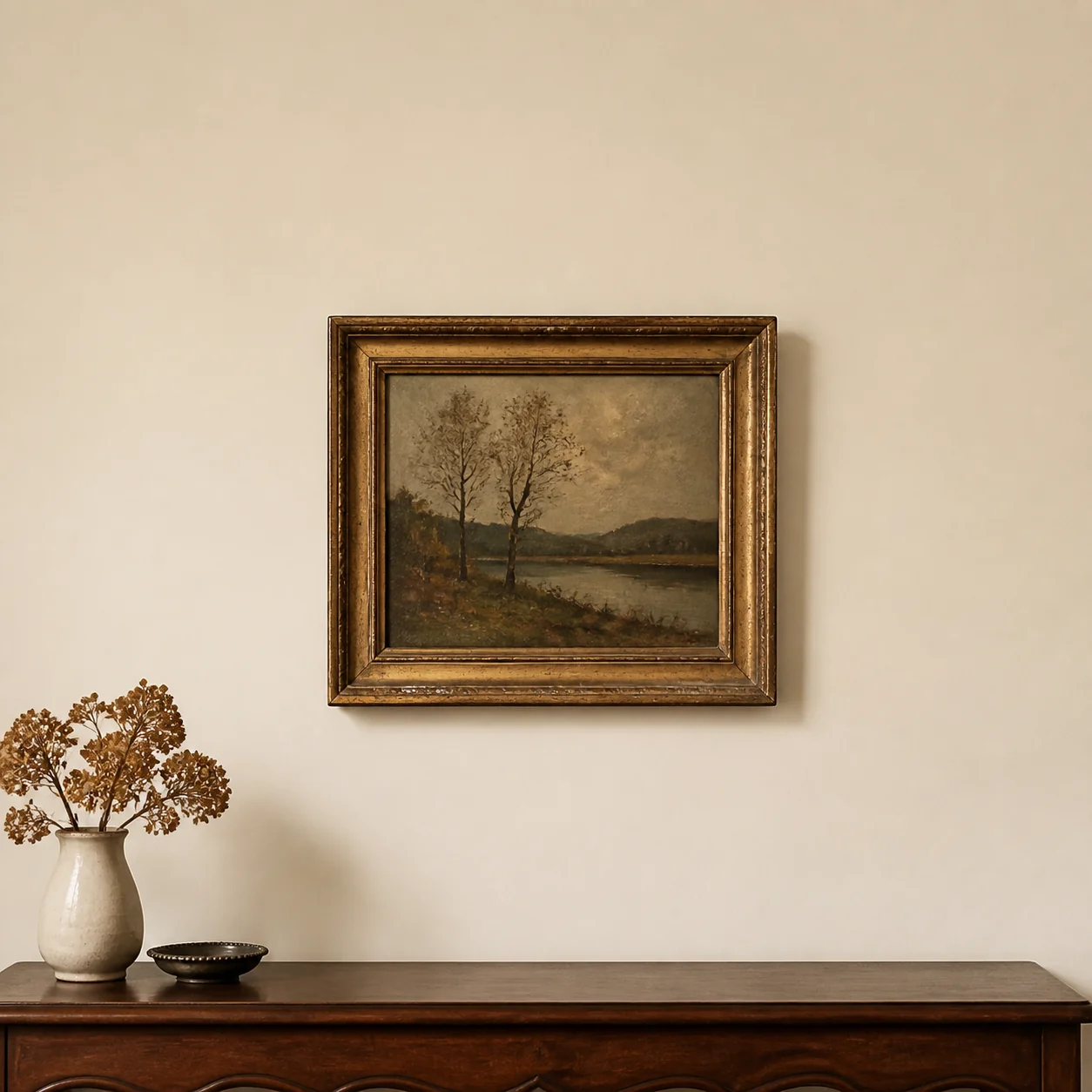
Sample framed antique landscape painting for artist signature research Sample Scan

Likely Match

Framed Landscape Oil Painting

Category
Art & Signature
Estimated Range
$250–$700

Evidence Clues

  • Aged oil surface and muted landscape palette
  • Gilded frame with visible wear
  • Signature area requires a closer crop
Possible LookalikesDecorative reproduction · Regional landscape study
Risk FlagSignature cannot be attributed from this view

Next Photo: Add a sharp signature and reverse-label photo.

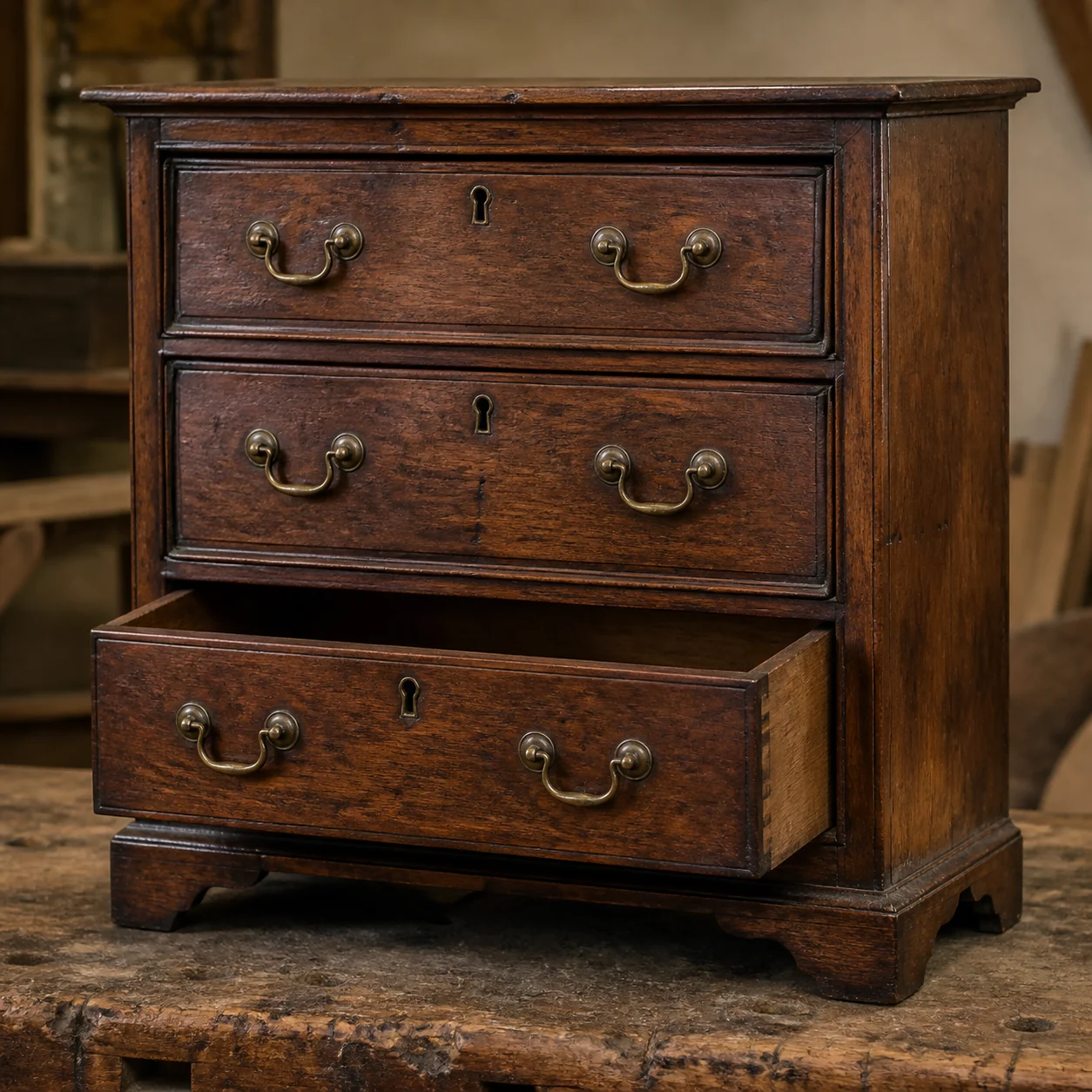
Sample antique walnut chest with aged brass drawer hardware Sample Scan

Likely Match

Walnut Chest with Aged Brass Hardware

Category
Furniture & Decor
Estimated Range
$320–$950

Evidence Clues

  • Deep walnut grain and aged finish
  • Brass drop handles with surface wear
  • Visible drawer construction and feet
Possible LookalikesLater reproduction · Refurbished vintage chest
Risk FlagJoinery and provenance still need review

Next Photo: Show the back, underside, joinery and hardware details.

The images and result text are illustrative examples. A photo-based result cannot confirm authenticity, condition, provenance or a guaranteed sale price.

How to Use the Antique Identifier

Use an Antique Identifier in Three Simple Steps

The online antique identifier keeps the first attempt focused: upload a clear photo and review the clues behind the result.

  1. 01

    Upload a clear photo

    Drag and drop an image, use Browse Files or take a photo on a supported mobile browser. The identifier infers the broad collectible category from the image.

  2. 02

    Review the research result

    Read the likely match, category, evidence clues, estimated era, value factors and risks identified from the photo.

  3. 03

    Choose what to do next

    Use the recommended next photo to research, save, sell or verify the item with better evidence.

Better Collectible Photos

How to Take Better Photos for an Antique Identifier

An antique identifier by photo can only compare what the camera captures. These simple changes make marks, materials and condition easier to evaluate.

Use even light

Use natural or soft light. Avoid harsh reflections on glaze, metal, glass or framed artwork.

Show the full item

Start with the complete object so shape, scale and proportions remain visible.

Capture the mark

Add a sharp close-up of the backstamp, hallmark, signature, label, serial mark or maker detail.

Include condition clues

Photograph chips, repairs, cracks, missing parts and wear when they may affect value.

What the Antique Identifier Looks For

What an Antique Identifier Looks For

The result is not based on one decorative detail alone. Mark & Era considers several visual signals together and reports uncertainty when the photo is not enough.

Maker marks and signatures

Backstamps, hallmarks, signatures, labels and serial marks can narrow a maker, workshop, period or material.

Form and proportion

Shape, scale, construction, ornament and repeated design features help separate similar objects.

Material and technique

Glaze, metal finish, wood grain, canvas, joinery and manufacturing details add context to the visual comparison.

Condition and provenance

Restoration, wear, missing marks, labels, ownership history and purchase context can change the value range.

A photo cannot reliably confirm authenticity, age, material composition, provenance, insurance value or a final sale price. Use a qualified specialist when certainty matters.

Antique Identifier FAQ

Antique Identifier FAQ: Questions About Photo Research

Direct answers about photo quality, marks, value ranges, authenticity, privacy and what to do next.

How does an antique identifier by photo work?

Upload a clear full-item photo to explore a likely identity, automatically inferred category, era, origin, maker clues, value factors and a recommended next photo. The result is a research starting point, not a formal appraisal.

What photos should I upload for the best result?

Start with a sharp, well-lit photo of the whole item. Add close-ups of the maker mark, signature, label, underside, back, damage or construction detail when available.

Can Mark & Era identify pottery marks and signatures?

It can use visible pottery marks, hallmarks, signatures and labels as clues. A dedicated close-up is usually more useful than a mark that is tiny or blurred in the full-item photo.

Can it estimate the value of an antique?

It can provide an estimated market range when the image contains useful evidence. The range depends on condition, completeness, provenance, rarity and market context, so it is not a guaranteed sale price.

Is the result a formal appraisal?

No. Mark & Era provides an AI-assisted research estimate. It is not an insurance valuation, formal appraisal, authentication certificate or professional expert opinion.

Can it tell whether an item is authentic?

It can highlight possible reproduction, restoration, missing-mark or conflicting-clue risks. A photo alone cannot prove authenticity; consult a qualified specialist for a formal opinion.

What should I photograph on the bottom of a ceramic piece?

Photograph the complete underside, then add a close-up of the backstamp or handwritten mark in even light. Keep the mark in focus and avoid glare.

Are uploaded photos private?

The selected image stays in your browser until you submit it. When submitted, it is sent to the identification service for processing. Review the Privacy Policy for current processing, retention and account details.

What happens when the image is unclear?

The result may return a broad candidate or ask for a better photo. Follow the recommended next photo instead of treating a low-confidence result as a final identification.

Ready to research your find?

Start Your Antique Identifier Research with One Clear Photo

Use the result as your next research step. When the visual evidence is not enough, Mark & Era will point you toward the detail worth photographing next.

Sign in to Mark & Era

Access your collectible research usage, account, and billing history.

Your collectible photo is sent for research only after you submit it.